Artificial Intelligence (AI) is a rapidly growing field of technology that has the potential to revolutionize the way we live and work. However, with the increasing use of AI, ethical questions have been raised about its use and potential implications. AI has the potential to be used for unethical purposes, such as manipulating people or making decisions without considering the consequences. This raises the question of whether AI is ethical or not. In this article, we will explore the ethical implications of AI and discuss the potential for AI to be used in an unethical manner. We will also look at the potential for AI to be used for good, and how we can ensure that AI is used ethically.
The Ethical Implications of AI: What Are the Risks and Benefits?
The potential of artificial intelligence is truly exciting. From self-driving cars to medical breakthroughs, AI has the potential to revolutionize the way we live and work. But with such great potential comes great responsibility. We must consider the ethical implications of AI and weigh the risks and benefits of its use.
The most obvious risk of AI is the potential for it to be used for malicious purposes. AI can be used to manipulate data, spread misinformation, and even commit cybercrimes. It can also be used to target vulnerable populations, such as those with disabilities or those living in poverty.

The key to using AI responsibly is to ensure that it is used ethically. This means that AI should be used to benefit humanity, not to harm it. It should be used to empower people, not to exploit them. And it should be used to promote fairness and justice, not to perpetuate inequality.
Ultimately, the risks and benefits of AI will depend on how it is used. If used responsibly, AI can be a powerful tool for good. But if used irresponsibly, it can be a dangerous weapon. It is up to us to ensure that AI is used for the benefit of all.
Is AI a Threat to Human Rights?
Is AI a threat to human rights? It’s a question that has been on everyone’s minds lately. But the truth is, AI can actually be a great asset to human rights! Artificial Intelligence can help us identify and address human rights violations faster and more accurately than ever before. It can help us monitor and protect vulnerable populations, and it can help us ensure that everyone is treated fairly and equally. So, instead of worrying about AI being a threat to human rights, let’s focus on how it can help us protect them!
The Impact of AI on Privacy and Surveillance
The impact of artificial intelligence on privacy and surveillance is a hot topic of discussion these days. On one hand, AI can be used to enhance security and protect people’s privacy. On the other hand, it can be used to monitor and track people’s activities, raising serious concerns about privacy and surveillance.
The good news is that AI can be used to protect people’s privacy. AI-powered facial recognition technology can be used to identify people in public places, helping to prevent crime and protect citizens. AI can also be used to detect and prevent cyberattacks, helping to keep people’s data safe.
At the same time, AI can be used to monitor and track people’s activities. AI-powered cameras can be used to monitor people’s movements in public places, raising serious concerns about privacy and surveillance. It can also be used to analyze people’s online activities, allowing companies to track and target people with ads.
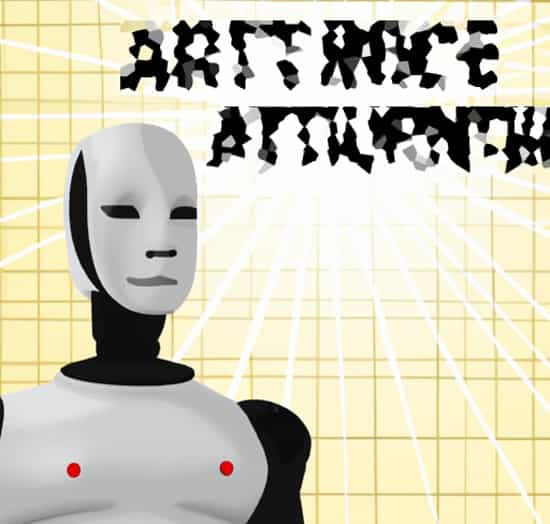
The key is to ensure that AI is used responsibly and ethically. Governments and companies should ensure that AI is used to protect people’s privacy, not to invade it. They should also ensure that AI is used to enhance security, not to monitor and track people’s activities.
Overall, the impact of AI on privacy and surveillance is a complex issue. AI can be used to protect people’s privacy, but it can also be used to monitor and track people’s activities. It is up to governments and companies to ensure that AI is used responsibly and ethically.
The Role of AI in Automating Unethical Practices
The potential of artificial intelligence to automate unethical practices is a cause for concern. AI can be used to automate processes that are unethical, such as manipulating data, creating false information, or even targeting vulnerable populations. However, AI can also be used to help prevent unethical practices.
It can be used to detect and prevent unethical practices. AI can be used to analyze data and detect patterns that may indicate unethical behavior. For example, AI can be used to detect fraudulent activities, such as money laundering or insider trading. AI can also be used to detect and prevent discrimination in hiring practices. AI can be used to analyze job postings and detect any potential bias in the language used.
Artificial Intelligence can also be used to create ethical decision-making tools. It can be used to create tools that help people make ethical decisions. These tools can be used to help people make decisions that are in line with ethical standards. For example, AI can be used to create tools that help people make decisions about how to use their data responsibly.
Finally, AI can be used to create ethical education programs. AI can be used to create educational programs that teach people about ethical practices. These programs can be used to help people understand the importance of ethical behavior and how to make ethical decisions.
AI can be used to automate unethical practices, but it can also be used to help prevent them. AI can be used to detect and prevent unethical practices, create ethical standards and guidelines, create ethical decision-making tools, and create ethical education programs. By using AI in these ways, we can help ensure that unethical practices are prevented and that ethical behavior is encouraged.

Exploring the Potential for AI to Create Unintended Consequences
The potential for Artificial Intelligence (AI) to create unintended consequences is an exciting and intriguing prospect. As AI technology continues to advance, it is becoming increasingly capable of performing complex tasks and making decisions that were once thought to be impossible. But with this newfound power comes the potential for unforeseen consequences.
The possibilities are endless. Artificial Intelligence could be used to create autonomous vehicles that drive themselves, but what if they malfunction and cause an accident? AI could be used to automate factories, but what if it leads to job losses? AI could be used to diagnose medical conditions, but what if it makes a mistake and misdiagnoses a patient?
The potential for AI to create unintended consequences is a reminder that we must be vigilant in our use of this technology. We must ensure that AI is used responsibly and ethically, and that it is not abused or misused. We must also be aware of the potential for AI to create unforeseen consequences, and be prepared to take action if and when they arise.
The potential for AI to create unintended consequences is an exciting prospect, but it is also a reminder that we must be mindful of the power of this technology. We must use it responsibly and ethically, and be prepared to take action if and when unforeseen consequences arise. With the right precautions in place, It can be a powerful tool for good, and can help us create a better future for all.

Conclusion
In conclusion, AI can be both ethical and unethical depending on how it is used. AI can be used to improve the lives of people, but it can also be used to manipulate and exploit people. It is important to consider the ethical implications of AI and to ensure that it is used responsibly.